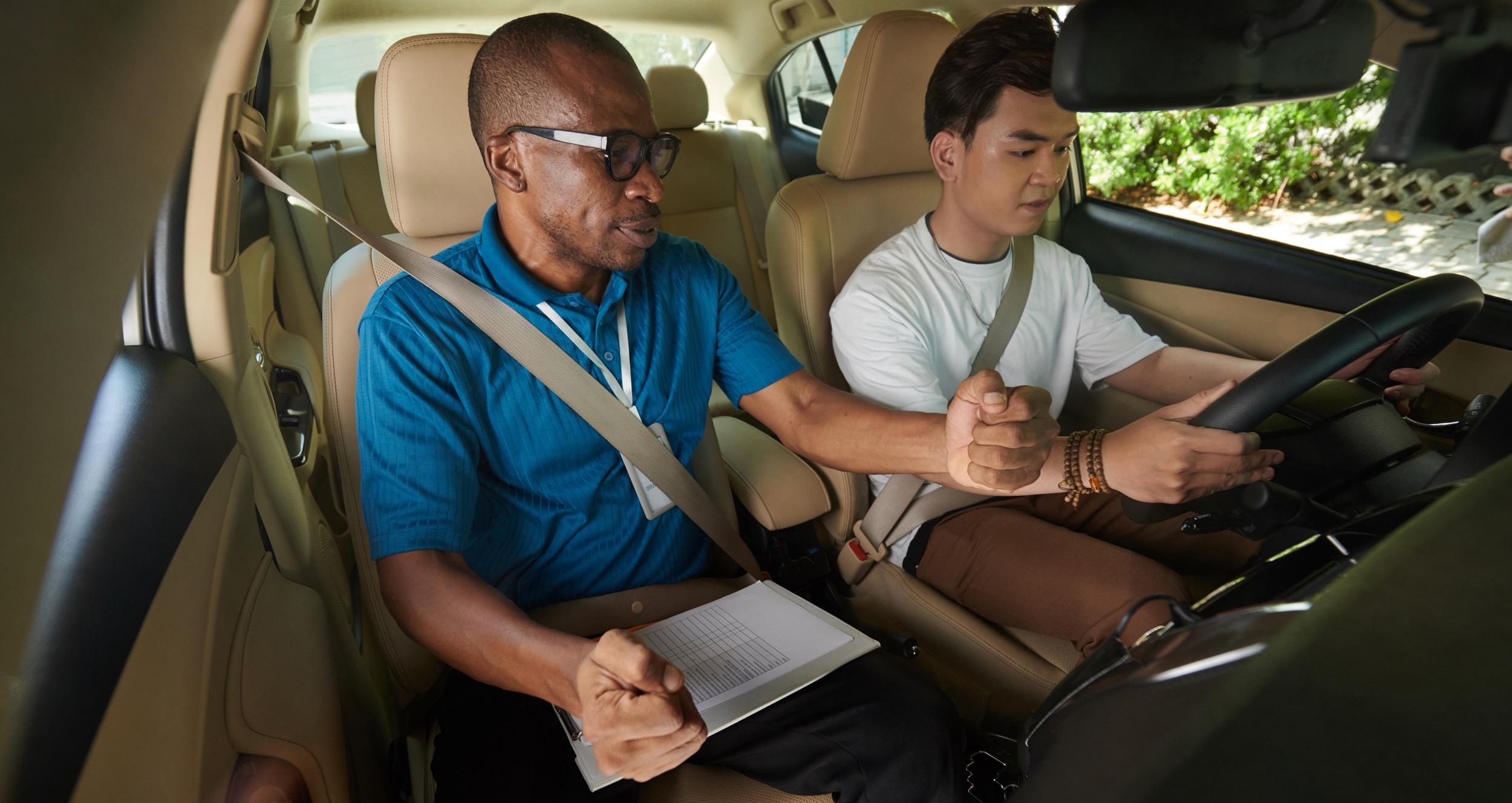
Driver’s Ed in Vermont
Getting a driver’s license in Vermont means following requirements from Vermont Department of Motor Vehicles / Vermont Legislature. This page summarizes the major learner permit, driver education, supervised driving, teen restriction, road test, adult driver, and parent guidance topics for Vermont using official government sources, including Vermont Statutes — Junior Operator’s License, Vermont Statutes — Learner’s Permit.
Quick Facts About Driver’s Ed in Vermont
| Requirement | Details | Official source |
|---|---|---|
| State agency | Vermont Department of Motor Vehicles / Vermont Legislature | Vermont Statutes — Junior Operator’s License |
| Minimum permit age | 15 years old | Vermont Statutes — Junior Operator’s License |
| Minimum license age | 16 years old for a junior operator’s license after meeting requirements | Vermont Statutes — Junior Operator’s License |
| Driver’s ed required? | Yes for 16- and 17-year-old junior operator’s license applicants. | Vermont Statutes — Learner’s Permit |
| Classroom/course hours | An approved driver education and training course is required; the cited statute does not list the hour breakdown. | Vermont Statutes — Learner’s Permit |
| Professional behind-the-wheel hours | Approved driver education and training is required for junior applicants. | Vermont Statutes — Learner’s Permit |
| Parent-supervised practice | 40 hours of practice behind the wheel. | Vermont Statutes — Junior Operator’s License |
| Night driving practice | At least 10 of the 40 hours must be nighttime driving. | Vermont Statutes — Junior Operator’s License |
| Permit holding period | At least 1 year. | Vermont Statutes — Junior Operator’s License |
| Road test required? | Yes. | Vermont Statutes — Junior Operator’s License |
How Driver’s Ed Works in Vermont
In Vermont, driver education rules depend on the applicant’s age, permit stage, and licensing path. The current official guidance says: Yes for 16- and 17-year-old junior operator’s license applicants. Classroom or course expectations are summarized as: An approved driver education and training course is required; the cited statute does not list the hour breakdown. Behind-the-wheel training is summarized as: Approved driver education and training is required for junior applicants. Review the state’s official licensing and driver education pages before publishing final compliance language: Vermont Statutes — Junior Operator’s License, Vermont Statutes — Learner’s Permit.
How to Get a Driver’s License in Vermont
Step 1: Meet the Age Requirement
New drivers can generally begin the permit process at: 15 years old. The first full or intermediate licensing milestone is generally: 16 years old for a junior operator’s license after meeting requirements. Confirm the current age rules with Vermont Statutes — Junior Operator’s License.
Step 2: Apply for a Learner’s Permit
Students should review the state’s permit application steps, identity-document requirements, testing requirements, and parent or guardian signature rules. The primary official source for this step is Vermont Statutes — Junior Operator’s License.
Step 3: Complete Driver’s Education
Yes for 16- and 17-year-old junior operator’s license applicants. Course-hour guidance for Vermont is: An approved driver education and training course is required; the cited statute does not list the hour breakdown. Use the official course or driver education source here: Vermont Statutes — Learner’s Permit.
Step 4: Complete Driving Practice
Behind-the-wheel and supervised-practice expectations are: 40 hours of practice behind the wheel. Night-practice guidance is: At least 10 of the 40 hours must be nighttime driving. Families should use the current state form, driving log, or parent certification process linked by Vermont Statutes — Junior Operator’s License, Vermont Statutes — Learner’s Permit.
Step 5: Pass the Required Tests
Yes. Students should also review the knowledge-test, vision-screening, document, appointment, and vehicle requirements published by the licensing agency. Start with Vermont Statutes — Learner’s Permit.
Step 6: Get Your License
After meeting permit, education, practice, and testing requirements, teen drivers move into the state’s intermediate, provisional, restricted, junior operator, or full-license stage. The permit holding period is: At least 1 year. Teen restrictions are summarized here: Vermont junior operator licenses include passenger and employment-use restrictions. Confirm the current stage rules with Vermont Statutes — Junior Operator’s License.
Learner’s Permit Requirements in Vermont
Vermont learner permit requirements should be written around five core details: minimum age, document requirements, knowledge or written testing, parent/guardian involvement for minors, and the required permit holding period. For Vermont, the minimum permit age is 15 years old, and the permit holding guidance is: At least 1 year. Use Vermont Statutes — Junior Operator’s License as the primary official source.
Driver’s Education Requirements in Vermont
Yes for 16- and 17-year-old junior operator’s license applicants. The official course-hour summary is: An approved driver education and training course is required; the cited statute does not list the hour breakdown. When publishing this section, link students and parents directly to the state-approved course or driver education guidance: Vermont Statutes — Learner’s Permit.
Behind-the-Wheel Training Requirements in Vermont
Vermont behind-the-wheel requirements should separate professional instruction from parent-supervised practice. Professional behind-the-wheel guidance is: Approved driver education and training is required for junior applicants. Parent-supervised practice guidance is: 40 hours of practice behind the wheel. Night driving guidance is: At least 10 of the 40 hours must be nighttime driving. Cite the applicable state page or form when describing logs and certifications: Vermont Statutes — Junior Operator’s License, Vermont Statutes — Learner’s Permit.
Teen Driver License Restrictions in Vermont
Vermont junior operator licenses include passenger and employment-use restrictions. These restrictions usually affect when teens may drive, who may ride with them, and whether wireless devices may be used. Because teen restrictions can change by license stage and age, link this section to the official graduated licensing page: Vermont Statutes — Junior Operator’s License.
Road Test Requirements in Vermont
Yes. A useful road test section should cover eligibility timing, permit-holding requirements, documents to bring, vehicle requirements, appointment rules, and the skills tested. Use the official road test or licensing source for the current process: Vermont Statutes — Learner’s Permit.
Adult Driver Education in Vermont
Adults should use Vermont DMV guidance for permit and road-test requirements; official statute sources should be checked for current rules. Adult first-time drivers should confirm whether they need a permit, whether a course is required, which tests apply, and what documents are needed by reviewing the official licensing agency guidance: Vermont Statutes — Junior Operator’s License, Vermont Statutes — Learner’s Permit.
Parent Guide for Teen Drivers in Vermont
Parents should help teens understand the state’s permit rules, document required supervised practice, schedule practice in varied conditions, review nighttime-driving expectations, and confirm when the student is ready for the road test. For Vermont, the supervised-practice summary is: 40 hours of practice behind the wheel. The night-practice summary is: At least 10 of the 40 hours must be nighttime driving. Parents should verify these requirements through Vermont Statutes — Junior Operator’s License, Vermont Statutes — Learner’s Permit.
Vermont Driver’s Ed FAQs
Is driver’s ed required in Vermont?
Yes for 16- and 17-year-old junior operator’s license applicants. Official source: Vermont Statutes — Learner’s Permit.
What age can you start driver’s ed or get a permit in Vermont?
The permit-age summary is: 15 years old. Official source: Vermont Statutes — Junior Operator’s License.
How many driving hours are required in Vermont?
Supervised practice guidance is: 40 hours of practice behind the wheel. Night-practice guidance is: At least 10 of the 40 hours must be nighttime driving. Official sources: Vermont Statutes — Junior Operator’s License, Vermont Statutes — Learner’s Permit.
How long do you have to hold a permit in Vermont?
The permit-holding summary is: At least 1 year. Official source: Vermont Statutes — Junior Operator’s License.
Do adults need driver’s ed in Vermont?
Adults should use Vermont DMV guidance for permit and road-test requirements; official statute sources should be checked for current rules. Official source: Vermont Statutes — Junior Operator’s License, Vermont Statutes — Learner’s Permit.
Who manages driver licensing in Vermont?
Driver licensing is managed by Vermont Department of Motor Vehicles / Vermont Legislature. Official source: Vermont Statutes — Junior Operator’s License.
Official Government Sources for Vermont
Contact
If you would like to contact or find a 911 Driving School by state or zip code, please use the Locations Page button.
Contact Media
12345 Lake City Way NE #348
Seattle WA 98125-5401
USDS Franchising Corporation
12345 Lake City Way NE #348
Seattle WA 98125-5401