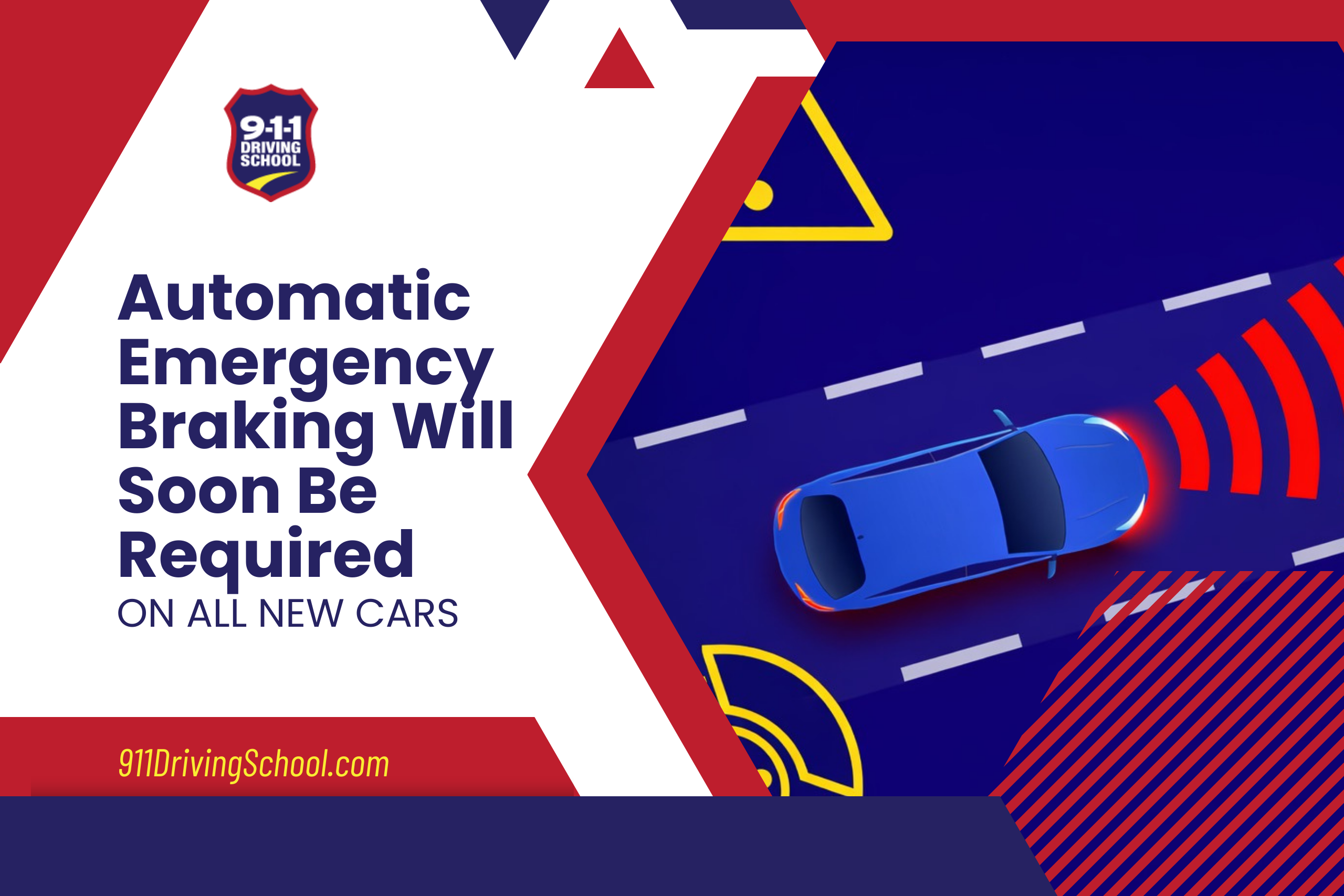
Automatic Emergency Braking technology is set to become a required safety feature on all new passenger cars and light trucks sold in the United States by 2029, under a new federal vehicle safety rule finalized by the National Highway Traffic Safety Administration. This safety rule, part of a broader effort to reduce roadway crashes, will help vehicles detect imminent collisions with other cars and pedestrians and automatically apply the brakes if a driver does not respond in time. The requirement reflects a mandate in the Bipartisan Infrastructure Law directing the Department of Transportation to make AEB systems standard on new vehicles.
AEB systems use sensors and cameras to monitor the road ahead. When these systems sense that a collision with a vehicle or a pedestrian is imminent, and the driver has not begun to brake, the system will automatically intervene and slow or stop the vehicle. The new standards specify performance requirements including the ability to avoid potential crashes at highway speeds and detect pedestrians in both daylight and dark conditions.
The addition of AEB on every new vehicle aims to reduce rear-end crashes and pedestrian injuries. Federal estimates suggest this technology could save hundreds of lives and prevent tens of thousands of injuries each year once it is universally installed. More vehicles already include AEB as a feature, but by making it mandatory, the safety benefit will reach every new car, SUV, and truck regardless of model or price point.
What AEB Means for Drivers
Automatic Emergency Braking will not replace safe driving habits or driver attentiveness. Instead, it serves as an advanced safety assist aimed at supporting drivers when they face sudden hazards on the road. Drivers should continue to:
• Maintain safe following distances
• Stay alert to changing traffic conditions
• React proactively to potential hazards
AEB enhances these basic defensive driving practices by providing an additional layer of automated support when human response falls short.
Putting AEB in Context with Other Safe Driving Practices
Driving safely requires more than technology in vehicles. In spring, increased travel for social gatherings and events means more drivers on the road, often after dark. Impaired driving, distracted driving, and speeding remain leading contributors to serious crashes nationwide. Responsible planning before you drive and attentive behavior behind the wheel still matter. Defensive driving, setting navigation and audio before your trip, and avoiding distractions help reduce risks every time you drive.
911 Driving School Helps You Stay Safe on the Road
Professional driver education builds skills that support safe driving in real world conditions. Students in Washington, Colorado, Ohio, South Carolina, and Florida benefit from:
Automatic Emergency Braking technology will soon be standard on new vehicles, and responsible driving habits will always be essential. Combining sound driver training with advancing safety technology supports safer roads for all road users.